The Ultimate Guide To Planting Hydrangeas
The Ultimate Guide to Planting Hydrangeas
Hydrangeas are beautiful flowering shrubs that can add a touch of elegance to any garden. They come in a variety of colors, including blue, pink, purple, and white, and they can bloom for several months in the summer. If you're thinking about planting hydrangeas in your garden, here is an ultimate guide to help you get started.
Introduction
Hydrangeas are relatively easy to care for, but they do require some specific conditions in order to thrive. They need moist, well-drained soil and partial shade. If you live in a hot climate, you may need to provide some afternoon shade for your hydrangeas. They also need to be watered regularly, especially during the hot summer months.
Choosing the Right Hydrangea
There are many different types of hydrangeas, so it's important to choose the right one for your climate and growing conditions. If you live in a cold climate, you'll want to choose a hardy variety that can withstand cold winters. If you have poor soil, you'll want to choose a hydrangea that is tolerant of clay or sandy soil.
Once you've chosen the right hydrangea, you'll need to decide where to plant it. Hydrangeas need full sun in the morning and afternoon shade. They also need moist, well-drained soil. If you have poor soil, you'll need to amend it with compost or other organic matter.
Planting Hydrangeas
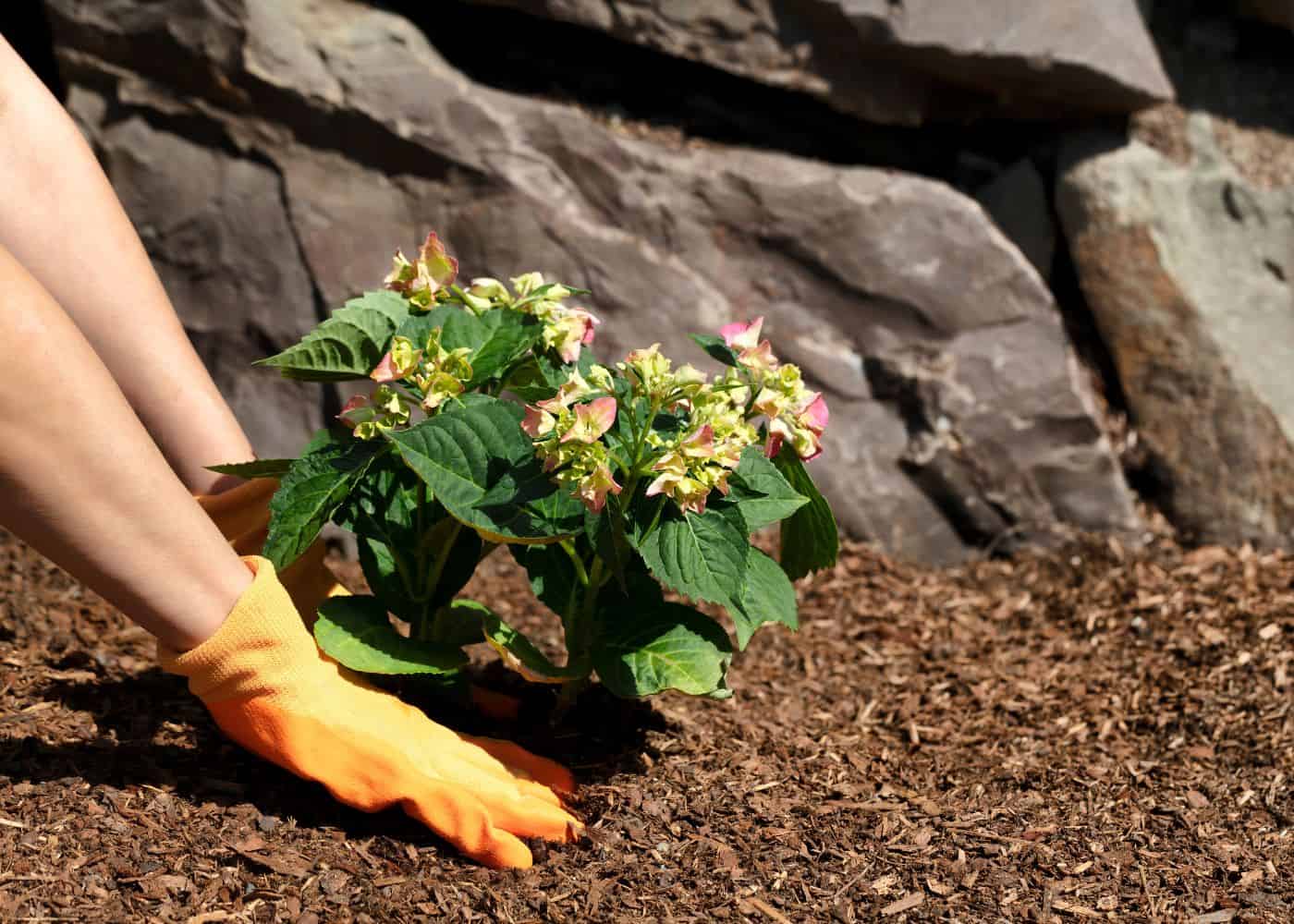
To plant a hydrangea, dig a hole that is twice as wide and as deep as the root ball. Place the hydrangea in the hole and backfill with soil, tamping down gently. Water the hydrangea well and mulch around the base with 2-3 inches of organic matter.
Caring for Hydrangeas
Hydrangeas need regular watering, especially during the hot summer months. You should also fertilize your hydrangeas once a month during the growing season. Use a balanced fertilizer that is high in nitrogen.
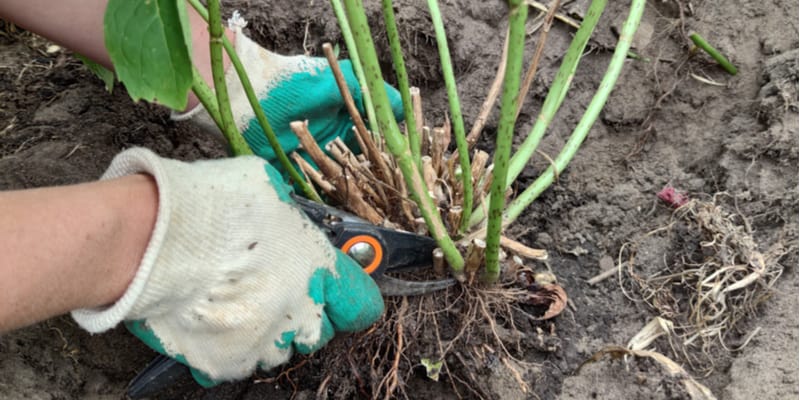
In the fall, you can prune your hydrangeas to shape them and remove any dead or diseased branches. You should also mulch around the base of the hydrangeas again to protect the roots from the cold.
Overwintering Hydrangeas
If you live in a cold climate, you'll need to protect your hydrangeas from the cold winter weather. You can do this by covering the plants with a burlap sack or other protective material. You may also need to wrap the root ball with burlap or other material to insulate it.
Troubleshooting Hydrangea Problems
Hydrangeas are relatively problem-free plants, but they can be susceptible to a few pests and diseases. Some common problems include:
- Leaf spot: This is a fungal disease that causes brown or black spots on the leaves. To treat leaf spot, you can use a fungicide.
- Aphids: These small insects can suck the sap out of hydrangea leaves, causing them to wilt and turn yellow. To control aphids, you can use an insecticidal soap or neem oil.
- Scale: These small insects attach themselves to hydrangea stems and leaves, sucking the sap. To control scale, you can use a horticultural oil or insecticidal soap.
Conclusion
Hydrangeas are beautiful and versatile plants that can add a touch of elegance to any garden. With a little care and attention, you can enjoy hydrangeas for many years to come.
Hydrangeas are beautiful flowering shrubs that can add a touch of elegance to any garden. If you're thinking about planting hydrangeas, there are a few things you need to know to ensure they thrive.
The best time to plant hydrangeas is in the spring or fall, when the weather is cool and the soil is moist. When choosing a location for your hydrangeas, look for a spot that receives morning sun and afternoon shade. Hydrangeas do not like to be planted in full sun, as this can scorch their leaves.
The soil for hydrangeas should be well-drained and slightly acidic. If your soil is alkaline, you can add some peat moss or sulfur to lower the pH. Before planting, dig a hole that is twice as wide and as deep as the root ball of the hydrangea. Backfill the hole with the same soil that you removed, and water the hydrangea thoroughly.
Once your hydrangea is planted, water it regularly, especially during the first year. Hydrangeas also appreciate a layer of mulch around their roots to help retain moisture and suppress weeds.
For more detailed information on how to plant hydrangeas, I recommend visiting . This website has a wealth of information on hydrangea care, including planting, watering, fertilizing, and pruning.
FAQ of best way to plant hydrangeas
Here are the 5 most frequently asked questions about the best way to plant hydrangeas, along with valuable insights and solutions:
- What is the best time of year to plant hydrangeas?
The best time to plant hydrangeas is in the spring or fall, when the weather is mild and the soil is moist. Hydrangeas can also be planted in summer, but they will need to be watered more frequently.
- Where should I plant hydrangeas?
Hydrangeas prefer partial shade, but they can also tolerate full sun if they are watered regularly. They do not like to be planted in hot, dry areas.
- What kind of soil do hydrangeas need?
Hydrangeas prefer moist, well-drained soil that is high in organic matter. If your soil is sandy or clayey, you will need to add compost or other organic matter to improve drainage.
- How deep should I plant hydrangeas?
Hydrangeas should be planted at the same depth they were in their original container. If you plant them too deep, they will not be able to get enough oxygen to their roots.
- How much water do hydrangeas need?
Hydrangeas need to be watered regularly, especially during the first year after planting. Once they are established, they will need less water, but they should still be watered deeply during hot, dry weather.
Image of best way to plant hydrangeas
- Image 1: A hydrangea plant in a pot, with the soil around the roots being loosened. The caption reads: "The best way to plant hydrangeas is to loosen the soil around the roots before planting. This will help the roots to spread out and take hold in the new soil."
- Image 2: A person digging a hole in the ground for a hydrangea plant. The caption reads: "The next step is to dig a hole that is the same size as the pot that your hydrangea plant is currently in. Make sure that the hole is deep enough so that the top of the root ball is level with the surrounding soil."
- Image 3: A person adding compost to the hole before planting the hydrangea plant. The caption reads: "Once you have dug the hole, add some compost to the bottom. This will help to improve the drainage and fertility of the soil."
- Image 4: A person carefully placing the hydrangea plant in the hole and backfilling with soil. The caption reads: "Gently place the hydrangea plant in the hole and backfill with soil. Be careful not to bury the crown of the plant, which is the part where the roots meet the stem."
- Image 5: A person watering the newly planted hydrangea plant. The caption reads: "Finally, water the hydrangea plant thoroughly. Water it again every few days until it is established in its new home."


Post a Comment for "The Ultimate Guide To Planting Hydrangeas"