Companion Plants For Fava Beans That Will Boost Your Yield
Companion Planting for Fava Beans: The Ultimate Guide to Boosting Your Yield
Fava beans are a delicious and nutritious legume that can be grown in many different climates. They are also relatively easy to care for, making them a great choice for beginner gardeners.
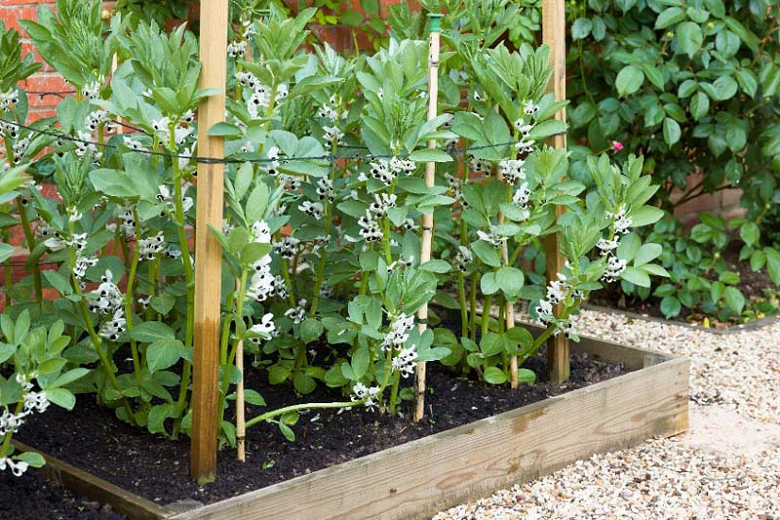
One way to improve your chances of success when growing fava beans is to plant them with companion plants. Companion planting is the practice of planting different types of plants together in order to benefit each other. There are many different companion plants that can be beneficial for fava beans, but some of the best include:
- Carrots: Carrots and fava beans can help to repel each other's pests. Carrots can help to deter carrot fly, while fava beans can help to deter aphids.
- Lettuce: Lettuce and fava beans can help to improve each other's growth. Lettuce can help to shade the roots of fava beans, which can help to prevent them from drying out. Fava beans can help to provide nitrogen to the soil, which can benefit lettuce plants.

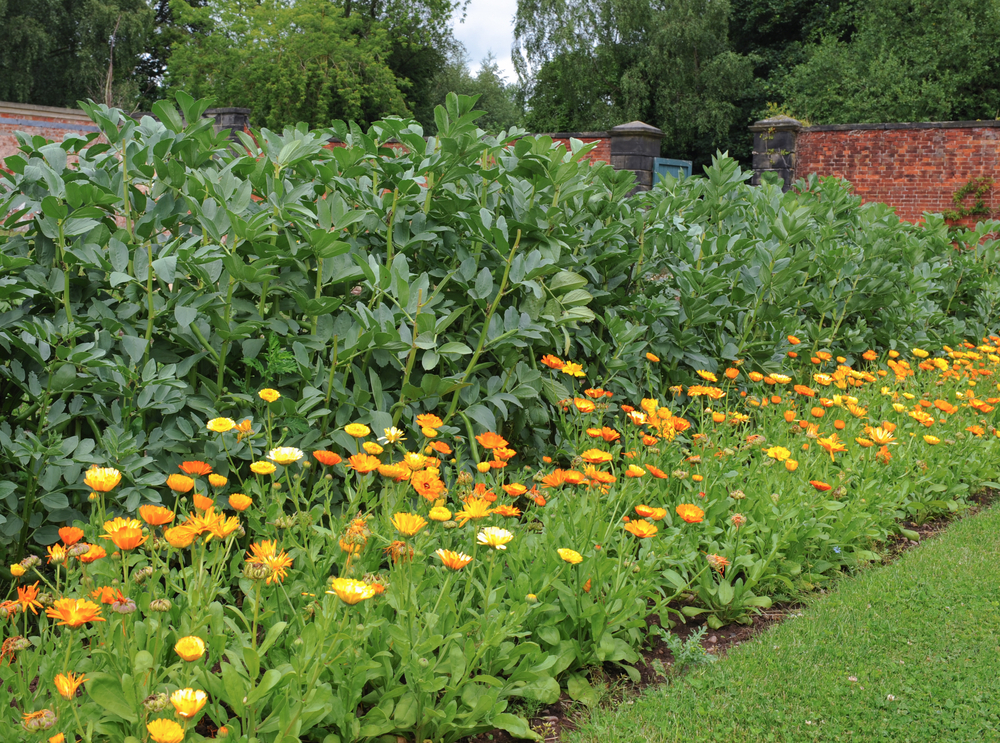
- Marigolds: Marigolds are known for their insect-repelling properties. Planting marigolds near fava beans can help to deter pests such as aphids, whiteflies, and spider mites.
- Celery: Celery and fava beans can help to improve each other's flavor. The strong aroma of celery can help to mask the bitter taste of fava beans, while the nitrogen that fava beans produce can help to improve the flavor of celery.

- Peas: Peas and fava beans can help to improve each other's nitrogen fixation. Peas are legumes that can fix nitrogen from the air, and fava beans can also fix nitrogen. Planting these two plants together can help to increase the amount of nitrogen in the soil, which can benefit both plants.

- Potatoes: Potatoes and fava beans can help to improve each other's resistance to pests. The strong smell of potatoes can help to deter pests such as aphids and spider mites, while the nitrogen that fava beans produce can help to improve the resistance of potatoes to diseases.

- Parsnips: Parsnips and fava beans can help to improve each other's growth. Parsnips can help to shade the roots of fava beans, which can help to prevent them from drying out. Fava beans can help to provide nitrogen to the soil, which can benefit parsnip plants.

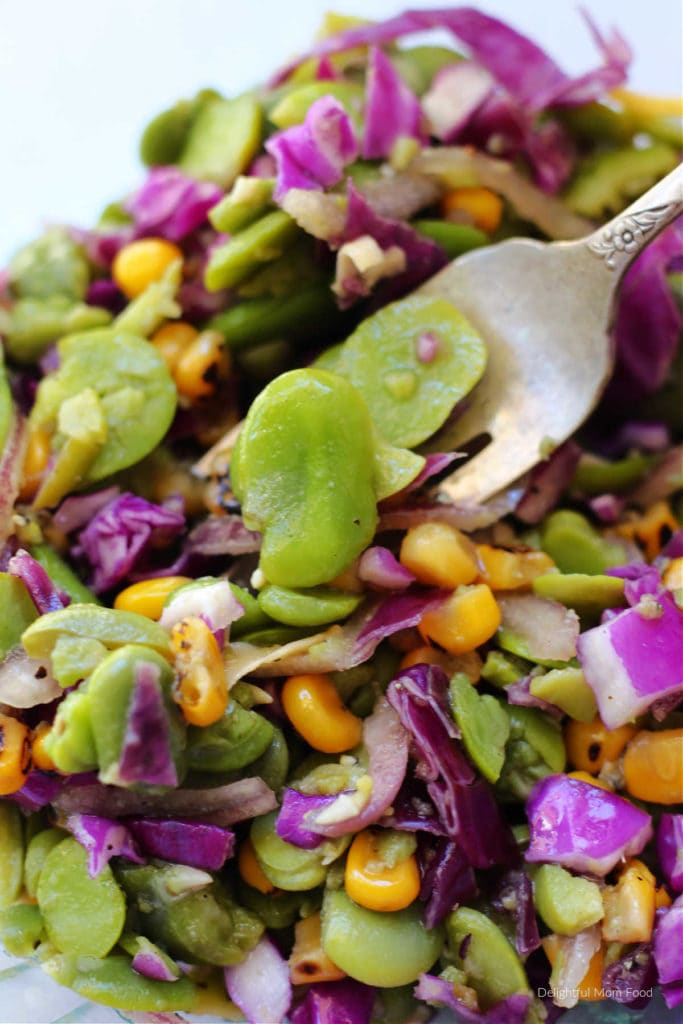
- Cabbage: Cabbage and fava beans can help to improve each other's flavor. The strong aroma of cabbage can help to mask the bitter taste of fava beans, while the nitrogen that fava beans produce can help to improve the flavor of cabbage.
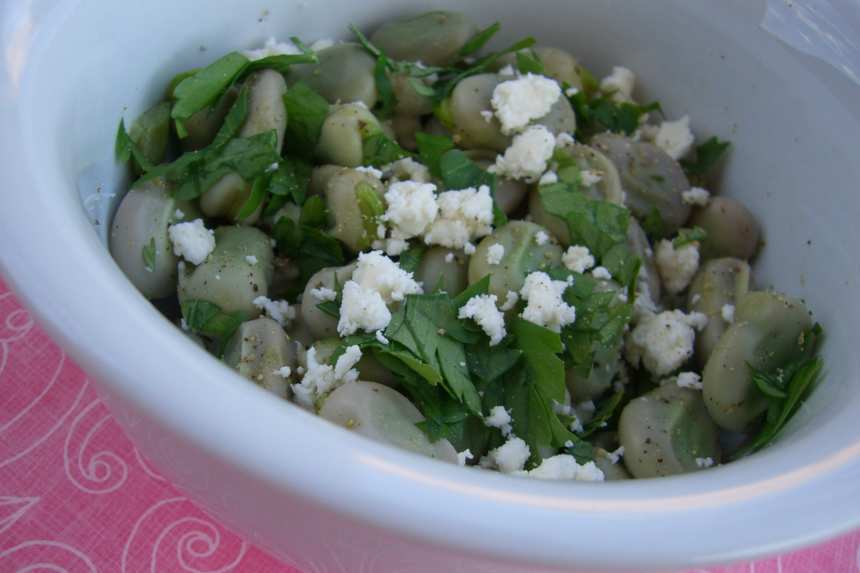
- Parsley: Parsley and fava beans can help to improve each other's growth. Parsley can help to shade the roots of fava beans, which can help to prevent them from drying out. Fava beans can help to provide nitrogen to the soil, which can benefit parsley plants.
- Eggplant: Eggplant and fava beans can help to improve each other's resistance to pests. The strong smell of eggplant can help to deter pests such as aphids and spider mites, while the nitrogen that fava beans produce can help to improve the resistance of eggplant to diseases.


In addition to the companion plants listed above, there are many other plants that can be beneficial for fava beans. When choosing companion plants, it is important to consider the climate, soil type, and other plants that you are growing in your garden.
Fava beans are a delicious and nutritious legume that can be grown in many different climates. When planting fava beans, it is important to consider companion plants. Companion plants are plants that benefit each other when grown together. Some good companion plants for fava beans include:
- Carrots: Carrots and fava beans are mutually beneficial, as they help each other to grow better. Carrots help to improve the drainage of the soil, which can help to prevent fava beans from developing root rot. Fava beans, on the other hand, help to fix nitrogen in the soil, which can benefit carrots.
- Lettuce: Lettuce and fava beans are also good companion plants. Lettuce helps to suppress weeds, which can help to keep the soil around the fava beans healthy. Fava beans, on the other hand, help to repel pests, such as aphids and cabbage moths, which can damage lettuce plants.
- Marigolds: Marigolds are another good companion plant for fava beans. Marigolds help to repel pests, such as nematodes and Mexican bean beetles, which can damage fava bean plants. Marigolds also help to attract pollinators, such as bees and butterflies, which can help to increase the yield of fava bean plants.
If you are interested in learning more about companion plants for fava beans, I recommend visiting the Gardenia Inspiration. This website has a wealth of information on companion planting, including a list of specific plants that are good companions for fava beans.
FAQ of companion plants for fava beans
- What are good companion plants for fava beans?
Fava beans are a nitrogen-fixing legume, which means they can enrich the soil with nitrogen. This makes them a good companion plant for other vegetables that need nitrogen, such as tomatoes, cucumbers, and potatoes. Fava beans also attract beneficial insects, such as bees and ladybugs, which can help to control pests. Some other good companion plants for fava beans include: * Carrots * Celery * Corn * Marigolds * Nasturtium * Rosemary * Strawberries * Summer savory
- What are bad companion plants for fava beans?
Some plants should not be planted near fava beans, as they can compete for nutrients or attract pests. These plants include: * Beets * Garlic * Onions * Kohlrabi * Sunflowers * Jerusalem artichokes
- How do companion plants benefit each other?
Companion plants can benefit each other in a number of ways. For example, some plants can attract beneficial insects that help to control pests. Other plants can help to improve the soil quality or provide shade or support. For example, carrots can help to improve the soil drainage for fava beans, while fava beans can help to enrich the soil with nitrogen for carrots.
- How far apart should companion plants be planted?
The ideal spacing for companion plants will vary depending on the specific plants involved. However, as a general rule of thumb, companion plants should be spaced at least 12 inches apart. This will give them enough room to grow and thrive without competing for resources.
- Can I plant fava beans with other legumes?
Yes, you can plant fava beans with other legumes, such as peas and lentils. Legumes are able to fix nitrogen in the soil, which can benefit all of the plants in the garden. However, it is important to note that some legumes, such as soybeans, can compete with fava beans for nutrients. It is best to choose legumes that have similar nutrient requirements when planting them together.
Image of companion plants for fava beans
- Corn: Corn provides support to the beans, while beans help corn by restoring to the soil the nitrogen they need to thrive.
- Catnip: Catnip helps repel flea beetles and other pests that attack fava beans.
- Cucumbers: Cucumbers do well when planted with beans, as they are mutually beneficial.
- Carrots: Carrots help to suppress root-knot nematodes, which can be a problem for fava beans.
- Lettuce: Lettuce helps to suppress weeds and improve the soil structure, which can benefit fava beans.

Post a Comment for " Companion Plants For Fava Beans That Will Boost Your Yield"